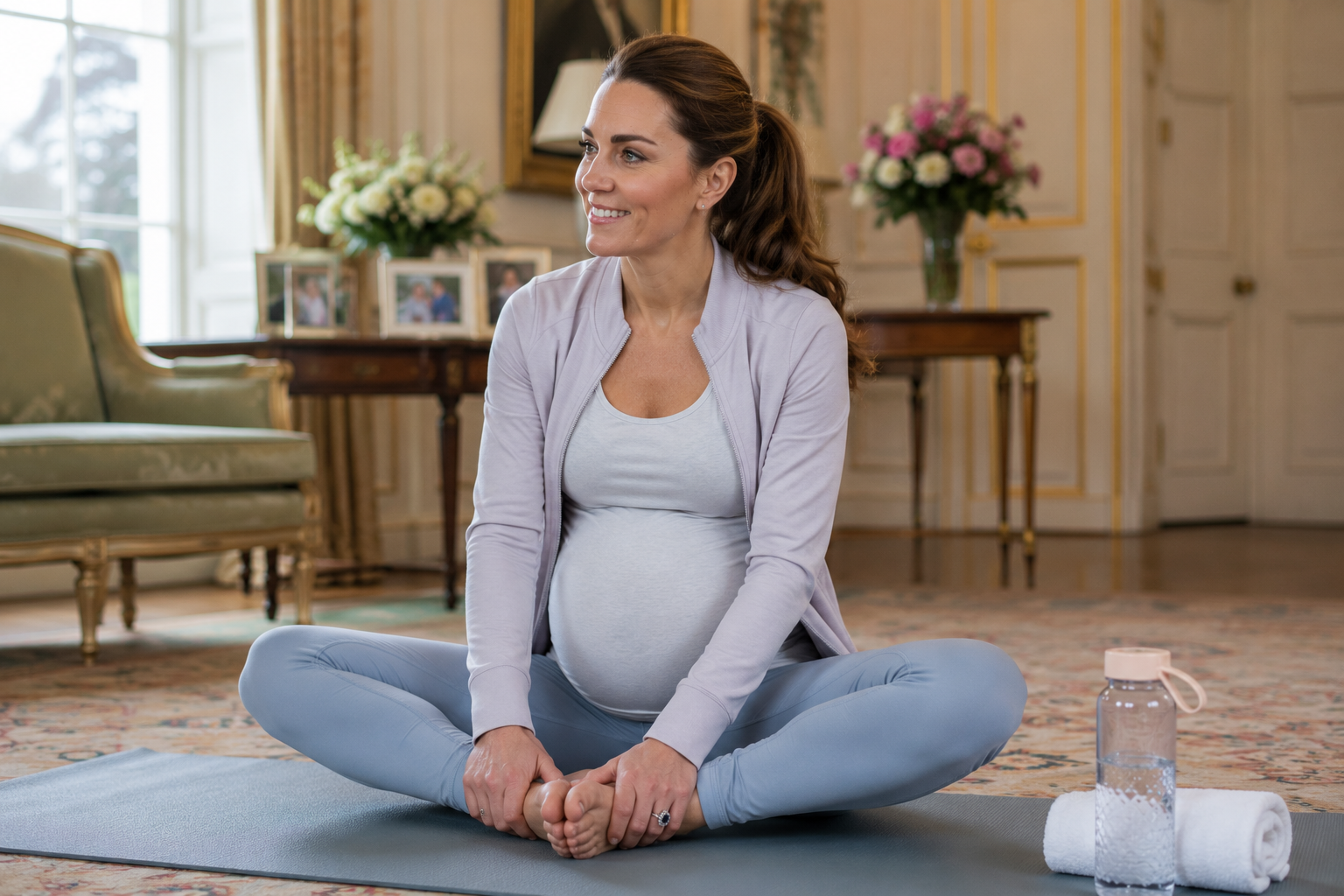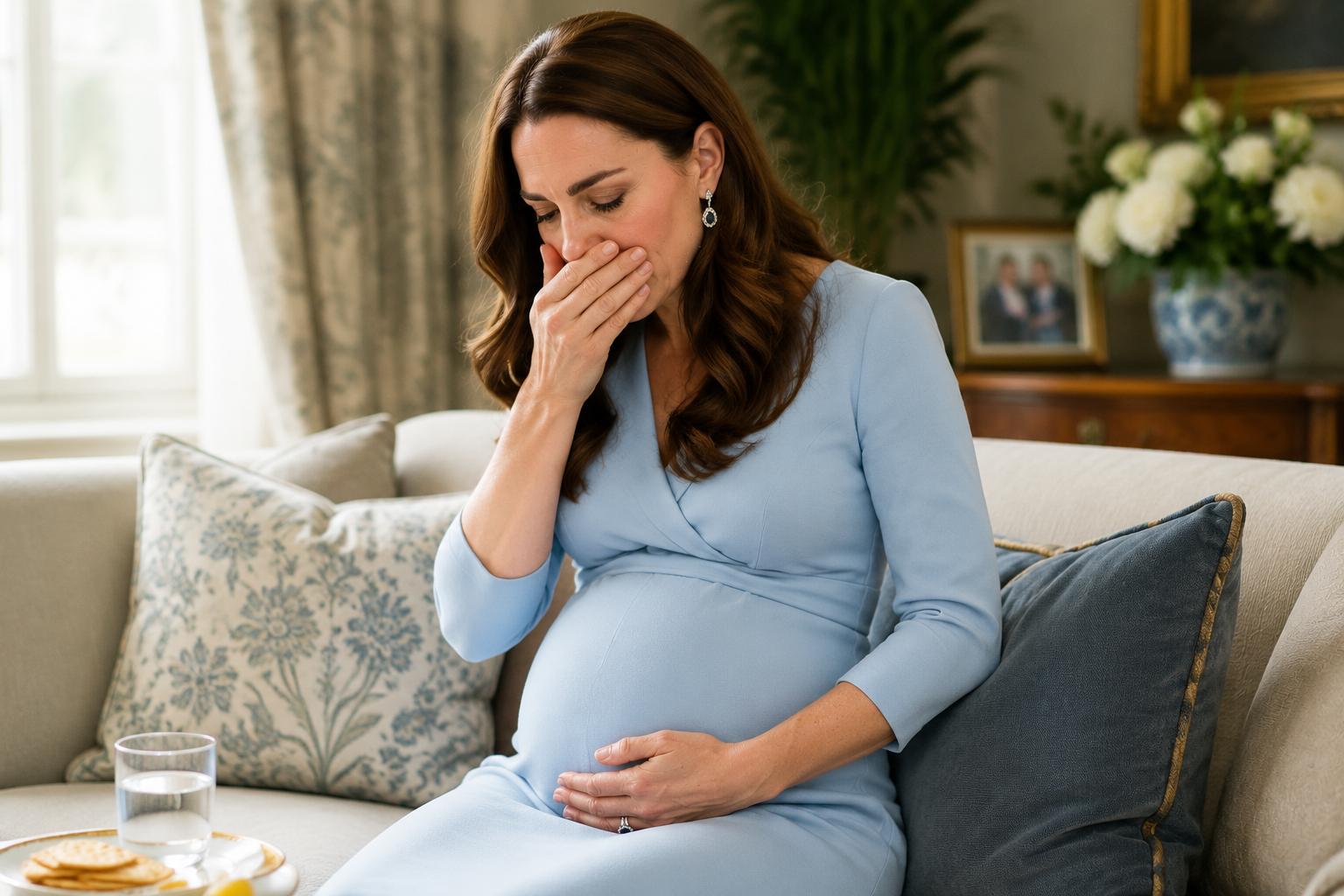
Traveling during pregnancy can be an exciting adventure, but it also requires careful planning. Whether you’re embarking on a road trip, a long flight, or a weekend getaway, staying safe and comfortable is key. In this guide, we’ll share essential travel tips for expecting moms to ensure a stress-free journey. Proper preparation can help you manage the unique challenges of traveling while pregnant, so let’s dive into the best practices to keep you safe and feeling good on the road.
1. Plan Your Travel Timing
 When planning your trip, consider the best time to travel during your pregnancy. The second trimester (weeks 14-27) is often considered the most comfortable period for travel. Morning sickness typically subsides by then, and the risk of miscarriage is lower. However, always consult your doctor before making travel plans, especially if you have a high-risk pregnancy. Some women may find that travel is more comfortable in the second trimester, as they may not feel as fatigued or nauseous. The third trimester, especially in the last few weeks, can become increasingly uncomfortable due to swelling, back pain, and fatigue, so it is better to avoid long travel during this time unless absolutely necessary. For additional insights on pregnancy milestones and travel planning, check out `The Royal Baby: Countdown`.
2. Stay Hydrated and Bring Snacks
Pregnancy increases your need for hydration, so it’s crucial to carry water with you. Dehydration can lead to fatigue, headaches, and discomfort, especially during long trips. Bring along healthy snacks like nuts, fruits, or granola bars to keep your energy levels up during long journeys. Opt for snacks that provide slow-releasing energy, such as whole grains and protein-rich foods, to keep your blood sugar levels stable. It’s also essential to avoid sugary snacks and drinks, as they can cause energy crashes. When traveling, remember that hydration is not just about drinking water—eating water-rich foods like fruits and vegetables will also help. For more information on hydration during pregnancy, check out ACOG.
3. Choose Comfortable Clothing
Comfort is essential when traveling while pregnant. Loose, comfortable clothing that allows you to move freely will help you feel at ease, whether you’re on a plane, in a car, or on a bus. Opt for breathable fabrics, and don’t forget your support socks to reduce the risk of swelling in your legs and feet. Consider wearing clothes that are not only comfy but also easy to adjust, such as elastic-waist pants or dresses that offer space for your growing belly. Many expecting mothers find that wearing compression socks helps with circulation during long periods of sitting, especially on flights. Comfort also extends to your footwear. Opt for supportive shoes with enough room for any swelling in your feet. Don’t forget to pack a light sweater or shawl to keep warm during air-conditioned travel. For more pregnancy fashion tips, check out Pregnancy.com.
4. Take Frequent Breaks
On long trips, especially road trips, it’s important to take frequent breaks to stretch your legs and avoid the risk of blood clots. Aim to stop every hour or so to walk around and keep your circulation flowing. If you’re traveling by air, get up and walk around the cabin when it’s safe to do so. You can also do simple leg exercises while seated, such as ankle rolls, toe lifts, and knee extensions. These movements help keep the blood circulating in your legs. Don’t hesitate to take extra bathroom breaks, as this can give you an opportunity to stretch and change positions. Make sure to move around whenever possible, even on shorter trips, to keep your blood circulating and to avoid discomfort. Read more about safe air travel during pregnancy at CDC.
5. Ensure Your Safety During Travel
When traveling by car, always wear your seatbelt, positioning it under your belly and across your hips for comfort and safety. The seatbelt should never go across your stomach, as this could harm your baby in the event of an accident. If you’re flying, make sure your seatbelt is fastened low across your hips. Consider booking a seat with extra space, especially on long-haul flights, for added comfort. If you’re traveling on a plane, make sure to avoid sitting for too long in one position. Ask the flight attendants if they can provide additional cushions or support. For seatbelt safety tips, check out the Safe Kids Worldwide website.
6. Keep Medical Information Handy
 Before traveling, it’s wise to have a list of your medical information on hand, including your obstetrician’s contact details, emergency medical conditions, and any medications you’re currently taking. This will help ensure you receive the best care if needed while on the go. Having a list of important contacts, such as the local hospital in your destination city, can also be helpful in an emergency. Additionally, make sure you have copies of any medical records that may be necessary for treatment, such as ultrasound reports or records of any pregnancy complications. For a list of medical travel tips, visit World Health Organization (WHO).
7. Pack the Essentials
Be prepared by packing the essentials for your journey. A well-packed travel bag will make your trip more enjoyable and help ensure you have everything you need to stay comfortable. Some of the essentials include:
- Comfortable clothing and shoes
- Snacks and water
- Your prenatal vitamins and any prescribed medications
- Medical documentation or notes from your doctor
- A small pillow or support cushion for added comfort
- Hand sanitizer, face masks, and hygiene wipes
- Baby essentials if traveling with children
- Travel pillow and blanket for added comfort
Make sure to pack your toiletries, too. While most hotels provide shampoo and soap, you may want to bring your own to ensure you’re using pregnancy-safe products. For tips on packing essentials for your pregnancy trip, check out The Bump.
8. Know Your Destination’s Healthcare Options
If you’re traveling to a new location, make sure you know where the nearest hospital or healthcare center is located. Having this information ahead of time can give you peace of mind in case of any pregnancy-related complications while away. If you’re traveling abroad, ensure you have appropriate medical coverage, and check if the destination provides access to medical facilities equipped to handle pregnancy emergencies. Use resources like Healthgrades to find local healthcare providers.
9. Travel Insurance
Consider investing in travel insurance that covers pregnancy-related medical issues. Many standard travel insurance plans offer coverage, but make sure to read the fine print to ensure you’re covered in case of emergencies related to your pregnancy. Some travel insurance policies may not cover pregnancy-related complications, so it’s important to choose one that specifically includes coverage for any potential pregnancy issues, such as premature labor. For more details, visit Travel Insurance.
10. Listen to Your Body
Lastly, it’s crucial to listen to your body. If you feel any discomfort, dizziness, or fatigue, take a break, and don’t hesitate to seek medical attention if needed. Pregnancy is a unique experience, and everyone’s body reacts differently to travel. Pay attention to how you’re feeling and adjust your plans accordingly. If you’re feeling unwell, don’t push yourself to continue your travels. Take time to rest and consult your healthcare provider if needed. Learn more about pregnancy symptoms and care at Mayo Clinic.
Conclusion
Traveling during pregnancy can be a safe and enjoyable experience with proper planning. By following these tips, you can ensure your trip is comfortable, safe, and stress-free. Always check with your healthcare provider before traveling to get personalized advice based on your health and pregnancy. Being prepared and aware of your body’s needs can make a significant difference in how you feel during your journey. If you’re ready to start planning your next adventure, remember that a little extra preparation goes a long way in ensuring your comfort and well-being.
Related Blog Posts:
- Top Travel Essentials for Pregnant Women
- Health and Wellness Tips for Expecting Moms
- Mommy Travels: Best Travel Tips for Moms
- The Royal Baby: Countdown
- Can Kate Middleton Get Pregnant?
- New 2025 WHO Guidelines on Postpartum Hemorrhage