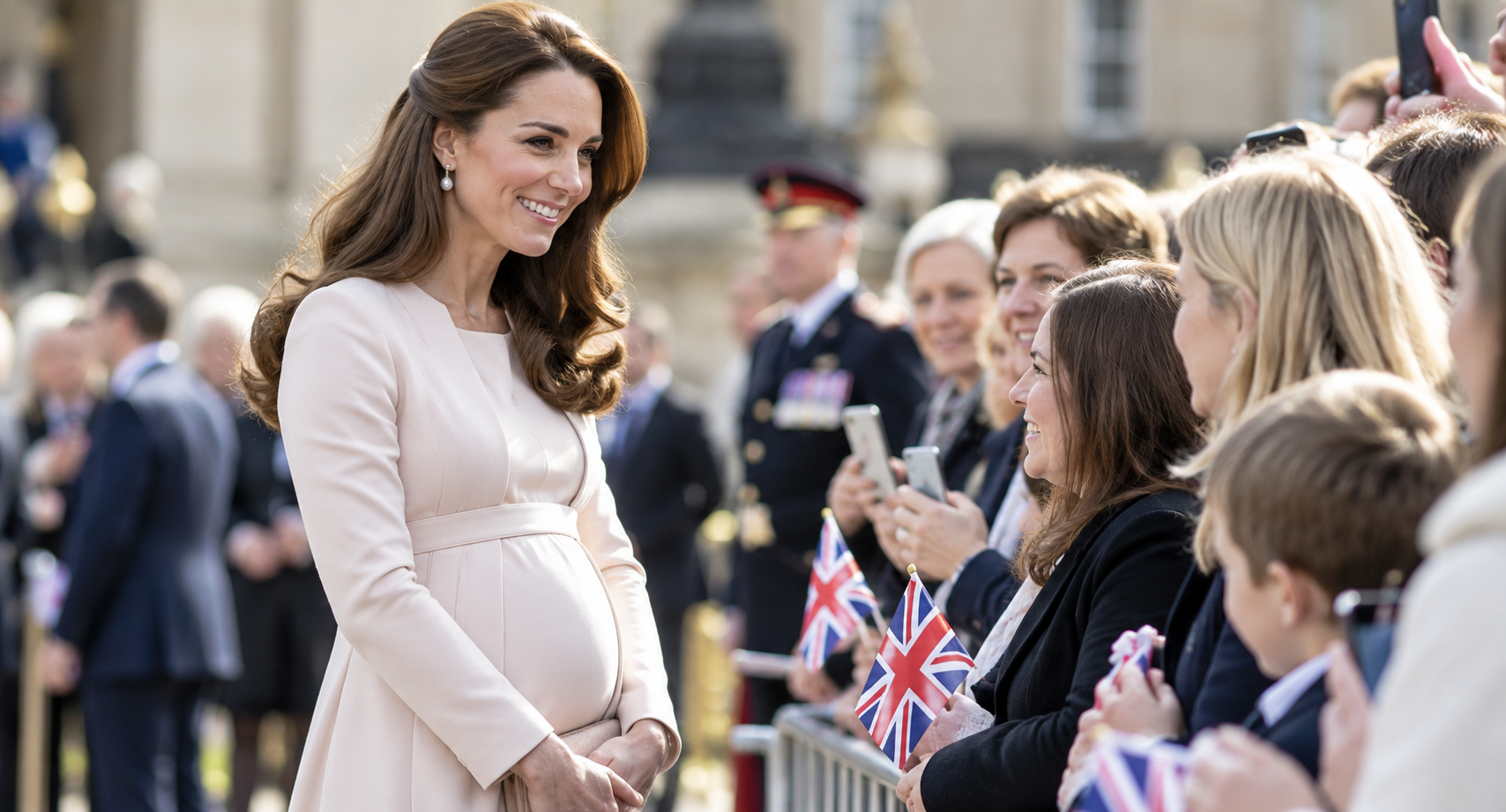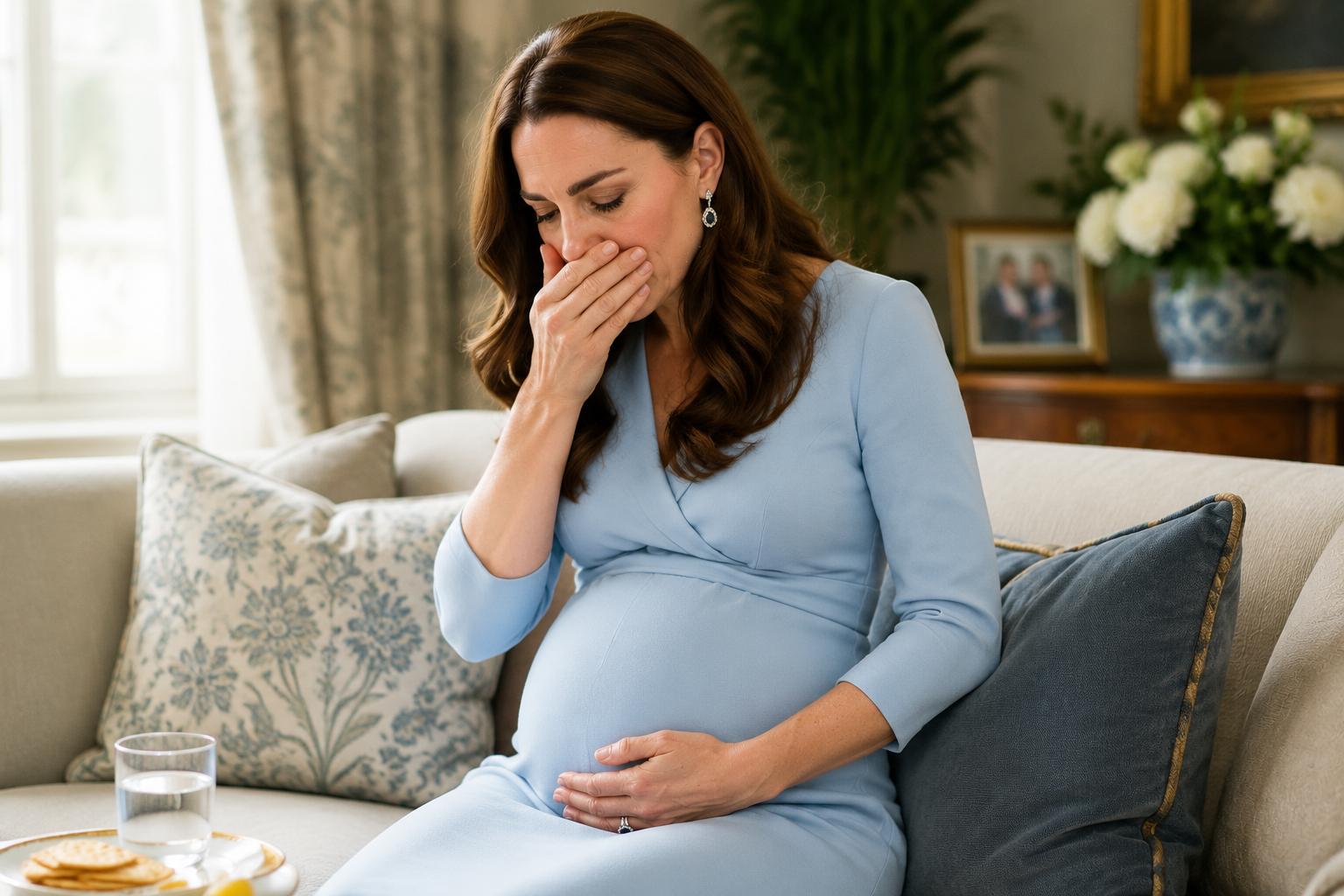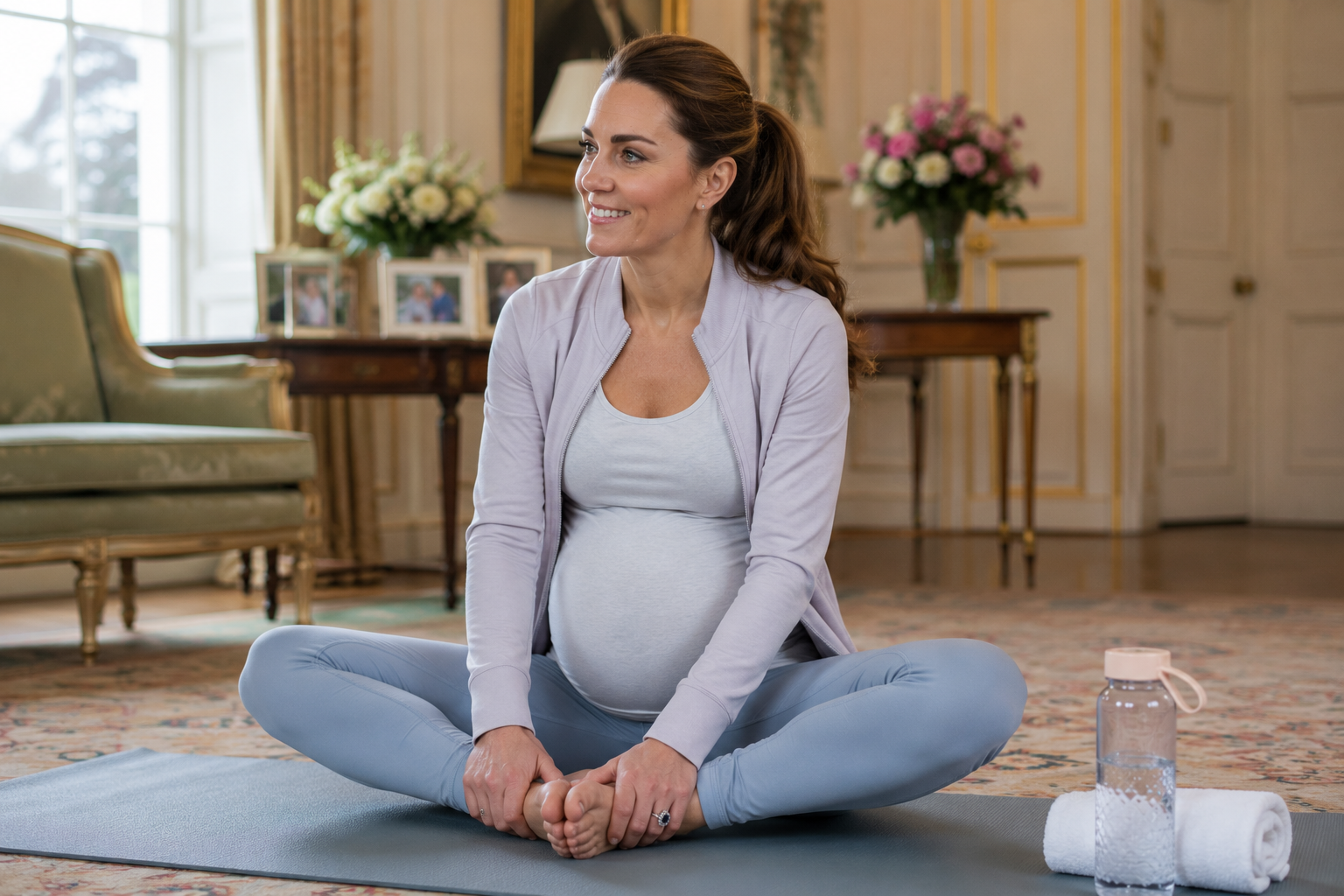
Pregnancy in the third trimester brings unique physical changes, including a growing belly, shifts in balance, and increased fatigue. While public figures like Kate Middleton often inspire curiosity, many readers want practical advice on how to stay healthy, fit, and comfortable during the final stages of pregnancy. This article explores safe workouts, tips for mobility, and exercises that may help expecting mothers stay active while minimizing risks.
On Pregnant Kate, readers follow royal pregnancy insights, maternity wellness advice, and lifestyle inspiration. This post complements sections such as Royal Baby updates and Kate’s Fashion, providing a practical approach to pregnancy fitness that aligns with Kate Middleton’s public image of composure and wellness.
Why Exercise Matters in Late Pregnancy
Exercise during the third trimester offers multiple benefits for both mother and baby. Regular movement can help improve circulation, reduce back pain, strengthen core muscles, and enhance mood. The NHS Pregnancy Guide recommends safe physical activity throughout pregnancy, emphasizing moderation and avoiding strenuous or high-risk movements.
According to ACOG, maintaining mobility in the final trimester can help with labor preparation, reduce pregnancy-related fatigue, and support postpartum recovery. Kate Middleton’s public appearances often suggest that she may have integrated gentle exercises to maintain flexibility and strength while staying comfortable.
Safe Prenatal Exercises
 For expecting mothers, low-impact exercises are usually safest during late pregnancy. Some effective options include:
- Prenatal yoga and stretching
- Swimming and water aerobics
- Walking at a comfortable pace
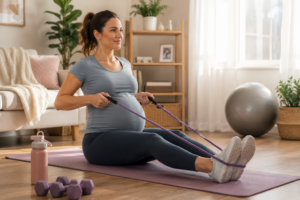
- Low-impact strength exercises with resistance bands
- Pelvic floor exercises and Kegels
These exercises help maintain mobility, improve posture, and prepare the body for labor. Gentle movement also improves circulation and may reduce swelling in the feet and ankles.
Strength and Mobility in Late Pregnancy
Strength exercises during the third trimester focus on supporting the core, back, and lower body. Light resistance training using bands or body weight can help maintain muscle tone without stressing the joints. Simple moves include:
- Wall squats or chair-supported squats
- Side leg lifts for hip stability
- Seated or standing arm exercises with light weights
- Pelvic tilts to strengthen lower back muscles
Practicing these exercises consistently can help expecting mothers feel more confident, reduce pregnancy-related discomfort, and improve balance as their center of gravity shifts. Using a stable surface, supportive footwear, and a calm environment is recommended.
Tips for Staying Safe During Workouts
Safety is paramount during late pregnancy exercise. Some essential tips include:
- Consult your healthcare provider before starting any new routine
- Avoid exercises that involve lying flat on the back for extended periods
- Stay hydrated and take breaks as needed
- Wear supportive footwear and comfortable clothing
- Listen to your body and stop if you feel pain or dizziness
The CDC notes that moderate activity is generally safe for most healthy pregnancies, but it should always be adapted to individual comfort and medical guidance.
Incorporating Exercise into Daily Life
Consistency is key. Short, frequent workouts are more effective and safer than long, intense sessions. Morning or evening routines, light walks, and quick stretching sessions throughout the day can help keep muscles active without overexertion. Prenatal yoga and gentle strength routines may be combined to create a balanced schedule that works for the expectant mother.
Readers who enjoy royal lifestyle content may also explore related posts such as Will Prince William and Kate’s Baby Ascend the Throne? or Is Kate Pregnant with Twins? for more insights into Kate’s pregnancy experiences.
Benefits Beyond Physical Health
 Exercise in the third trimester is not only about physical fitness. It also supports emotional well-being, stress reduction, and improved sleep quality. Gentle movement releases endorphins, which may help combat pregnancy-related anxiety. Mindful exercises such as prenatal yoga also encourage relaxation, breathing awareness, and preparation for labor.
Morning and Evening Stretching Routines
Adding simple stretching routines in the morning or evening can relieve tension and promote flexibility. Neck, shoulder, and back stretches reduce stiffness, while hip and leg stretches may alleviate pressure from a growing belly. Integrating breathing techniques with stretching can further improve relaxation and focus.
Hydration and Nutrition During Workouts
Hydration is crucial during pregnancy workouts. Drinking water before, during, and after exercise helps maintain energy and prevent dehydration. Light snacks, such as fruit or crackers, may also help prevent nausea and maintain stable blood sugar levels. The March of Dimes recommends small, frequent meals alongside regular hydration for active pregnant women.
Adapting Workouts for Comfort
Late pregnancy requires adapting movements to comfort and body changes. Using a chair for balance, avoiding twisting motions, and performing exercises on a padded surface are simple modifications that make workouts safer and more enjoyable. Expecting mothers should never push through pain, dizziness, or breathlessness.
Tracking Progress and Listening to Your Body
Keeping a journal of exercises, fatigue levels, and body responses can help adjust routines effectively. Awareness of how the body feels and reacts to activity ensures that workouts remain safe and beneficial. Each pregnancy is unique, so individual customization is key.
Family and Partner Support
Encouragement from partners and family members can make a big difference in maintaining a workout routine. Simple support, such as joining a walk, helping set up a yoga space, or sharing a quiet moment for stretching, fosters consistency and motivation. Kate Middleton’s experience may reflect the importance of support from Prince William during her pregnancy, as described in previous royal pregnancy discussions on Will & Kate.
When to Seek Medical Advice
If any exercise causes pain, dizziness, unusual swelling, bleeding, or contractions, it is important to stop immediately and consult a healthcare provider. Professional guidance ensures safety for both mother and baby and is critical when creating a prenatal exercise routine.
Conclusion
Third trimester workouts offer both physical and mental benefits for expecting mothers. Following safe prenatal exercise guidelines, adapting movements for comfort, maintaining hydration, and having supportive partners or family members can enhance overall pregnancy wellness. Kate Middleton’s public pregnancy image inspires many, but these evidence-based, practical tips make it achievable for everyday moms. For more royal pregnancy content, readers can explore Royal Baby updates or Kate’s Fashion for a holistic look at maternity wellness and style.